Experience Costa Rica’s Black Caribbean Coast
Uncover the rich Afro-Caribbean culture, history, and communities that shape Costa Rica’s Caribbean coast.
Costa Rica’s Caribbean coast is more than a tropical escape—it is one of the strongest living connections to the African diaspora in Central America. In Limón Province, Afro-Caribbean history is not a side story; it shaped the region’s language, faith traditions, foodways, and cultural identity.
A diaspora built on labor, survival, and community
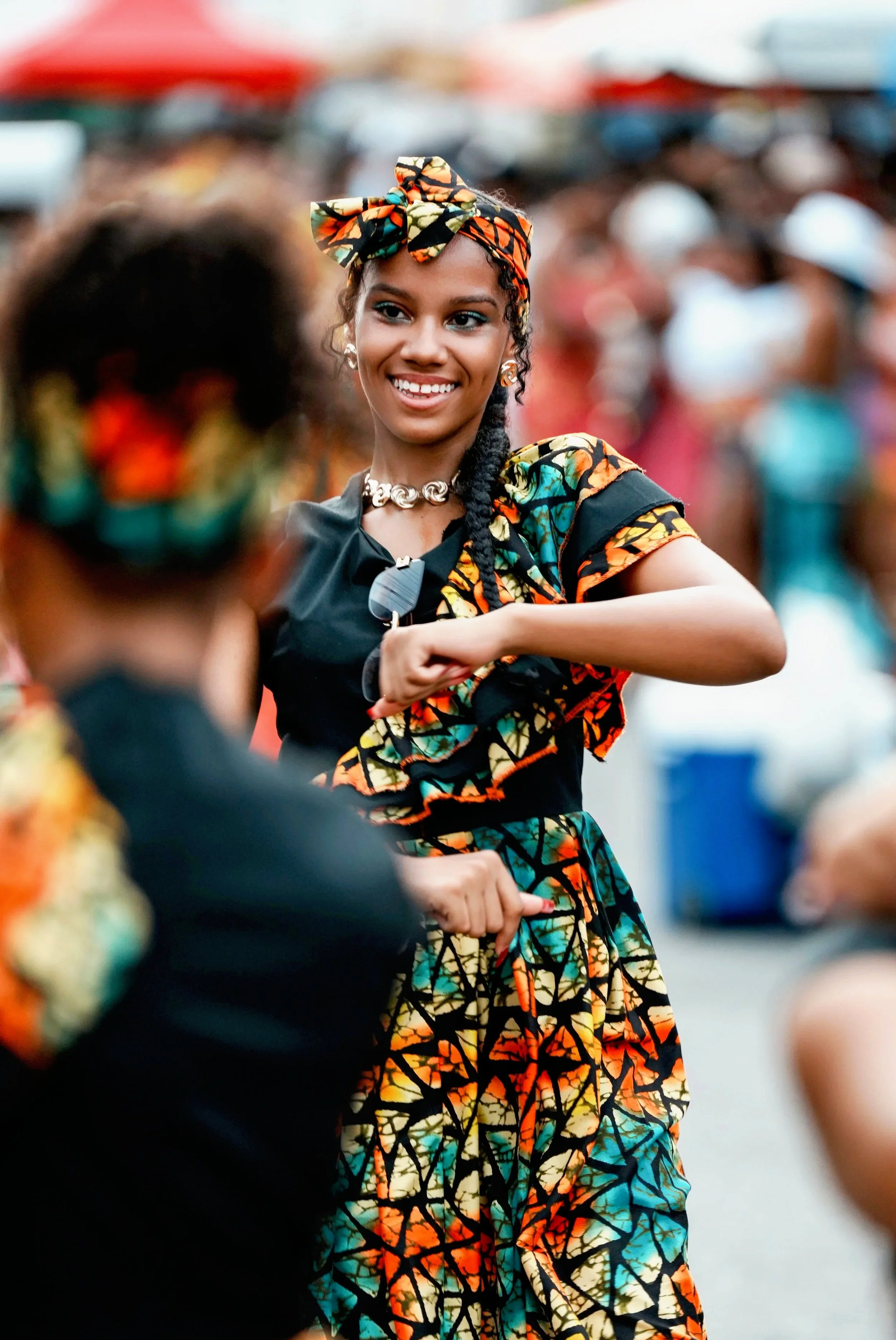
In the late 1800s, Costa Rica contracted for and built a rail line linking San José to the Caribbean port of Limón, and West Indian (especially Jamaican) workers formed a major part of the labor force supporting the railroad and later banana economies.
Over time, Afro-Caribbean communities in Limón developed strong institutions—churches, schools, and mutual-aid networks—while maintaining cultural ties that set the Caribbean coast apart from the Spanish-speaking Central Valley.
Start in San José: Smooth landing, smart planning
San José is the best entry point to connect “culture + adventure” before heading to the coast.
Concierge planning (optional but powerful): if you want a trip that feels effortless—airport pickup, vetted guides, coordinated tours, and on-call help—use Enter Costa Rica by Pacific Trade Winds (they highlight their 24/7 concierge service).
Resort-style comfort and a spa at DoubleTree by Hilton Hotel Cariari San José – Costa Rica is a common “first-night” choice near the airport, with full amenities.
If you're exploring both Costa Rica’s volcano region and the Caribbean coast, renting a car gives you the freedom and flexibility to travel between destinations at your own pace. Alamo Costa Rica offers rental options at locations throughout the country.
Coffee + Volcano: the perfect “San José culture day”
Experience two of Costa Rica’s signature attractions in one day: pair a visit to Doka Coffee Estate (Hacienda Doka) with Poás Volcano National Park. Located north of San José, the two destinations offer a natural combination of Costa Rica’s renowned coffee culture and its dramatic volcanic landscape.

Doka Coffee Estate (Hacienda Doka)
Set on the slopes of the Poás Volcano, Hacienda Doka offers an accessible introduction to Costa Rica’s coffee traditions. Visitors can schedule a tour and learn about coffee growing and its production process, explore the estate, and sample locally grown coffee. It’s a great way to connect with one of the country’s most important agricultural traditions before continuing on to the volcano.
Poás Volcano National Park
After your coffee experience, head to Poás Volcano National Park for one of Costa Rica’s most striking natural sights. The park is home to one of the country’s most famous volcanic craters, with a viewpoint that offers a dramatic look into the volcano. Together, the coffee estate and volcano make for an easy day trip from San José that combines culture, agriculture, and nature without requiring a long journey between stops.
Limón Province: Main character of the Caribbean coast
Once you head east toward Limón Province, the atmosphere begins to shift. The Caribbean coast has its own distinct cultural identity, shaped in large part by Afro-Caribbean communities whose influence can be experienced in the region’s food, music, language, architecture, and strong sense of coastal community. The landscape changes, too, with dense rainforest meeting the sea and a slower rhythm that feels distinctly Caribbean.
Cahuita National Park brings together the best of Costa Rica’s Caribbean coast, with rainforest trails, a beautiful shoreline, and protected waters teeming with marine life. Keep an eye out for monkeys, sloths, and tropical birds as you explore the park, then head offshore for a closer look at the reef.
For a guided snorkeling experience, Caribe Fun Tours offers boat excursions along Cahuita’s reef, providing another way to experience the area’s vibrant marine ecosystem. They also have an Indigenous Organic Chocolate Factory and Bribi Waterfall Tour on Thursdays. Get in on all the fun!
Together, Cahuita’s rainforest, reef, and coastal community offer a glimpse into the Black Caribbean character of Costa Rica, where nature and culture are deeply connected.
Puerto Viejo: The beach town everyone loves
Puerto Viejo de Talamanca is where Costa Rica’s Caribbean identity comes to life, blending laid-back coastal living, Afro-Caribbean culture, and a vibrant local community.
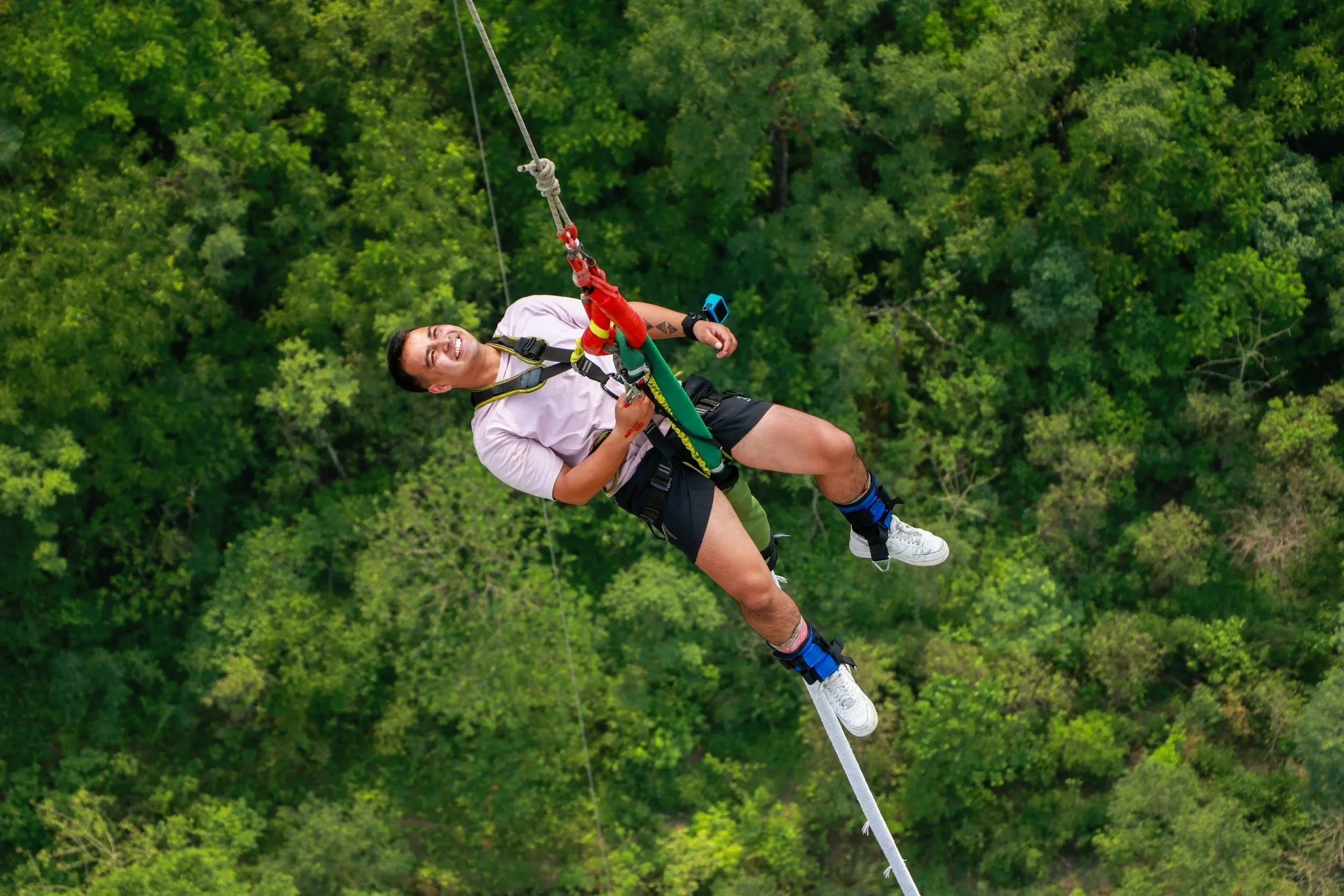
Ziplining through the Caribbean rainforest
For an adrenaline-filled way to experience the landscape, Nativo Adventures offers canopy and zipline experiences through the lush rainforest surrounding Puerto Viejo.
Why Playa Negra Is Black
Playa Negra (Black Beach) in Puerto Viejo is named for its dark volcanic sand. The black coloration results from basalt and mineral deposits carried by rivers from Costa Rica’s volcanic mountains and deposited along the Caribbean shoreline.
Walking Playa Negra is both geological and symbolic—volcanic earth meeting Afro-Caribbean identity on Costa Rica’s eastern coast.
This iconic black-sand shoreline is memorable for long walks, surf energy, and dramatic contrast with nearby white-sand beaches.
Where to stay: Le Cameleon Boutique Hotel
A polished boutique base close to the action and beaches. Its stylish setting offers a comfortable place to unwind between exploring Puerto Viejo’s beaches, rainforest, and Caribbean culture. It’s a great choice for travelers who want a little more comfort while staying close to everything the area has to offer.
Why this matters for African American travelers considering “visit… or live”
For many Black travelers, Limón and Puerto Viejo feel different because the Caribbean coast carries a visible Afro-Caribbean lineage shaped by migration, labor history, and later struggles for full inclusion.
That cultural reality creates space for travel that is not only relaxing but also connecting through food, music, language, and community presence.